A Short History of Kausani: Kings, Poets and a Mahatma
Long before it was a hill station, the valleys around Kausani were the heart of a Himalayan kingdom. Here is the story of the ridge — from the Katyuri kings to Gandhi, Sarla Behn and Sumitranandan Pant.
Kausani today is a quiet village of a little over two thousand people. It is easy to assume that its history began with the tourists. In fact the ridge looks down on one of the oldest seats of power in the Kumaon Himalaya, and over the last century it has drawn some remarkable people. This is a short, honest account — where historians disagree, we say so.
The Katyuri kings and Kartikeyapura
The first great dynasty of this region was the Katyuri. Their origins are debated — some historians see them as native to Kumaon, others link them to older ruling houses — and even their dates vary from source to source, with most placing their height somewhere between the 7th and 11th centuries CE.
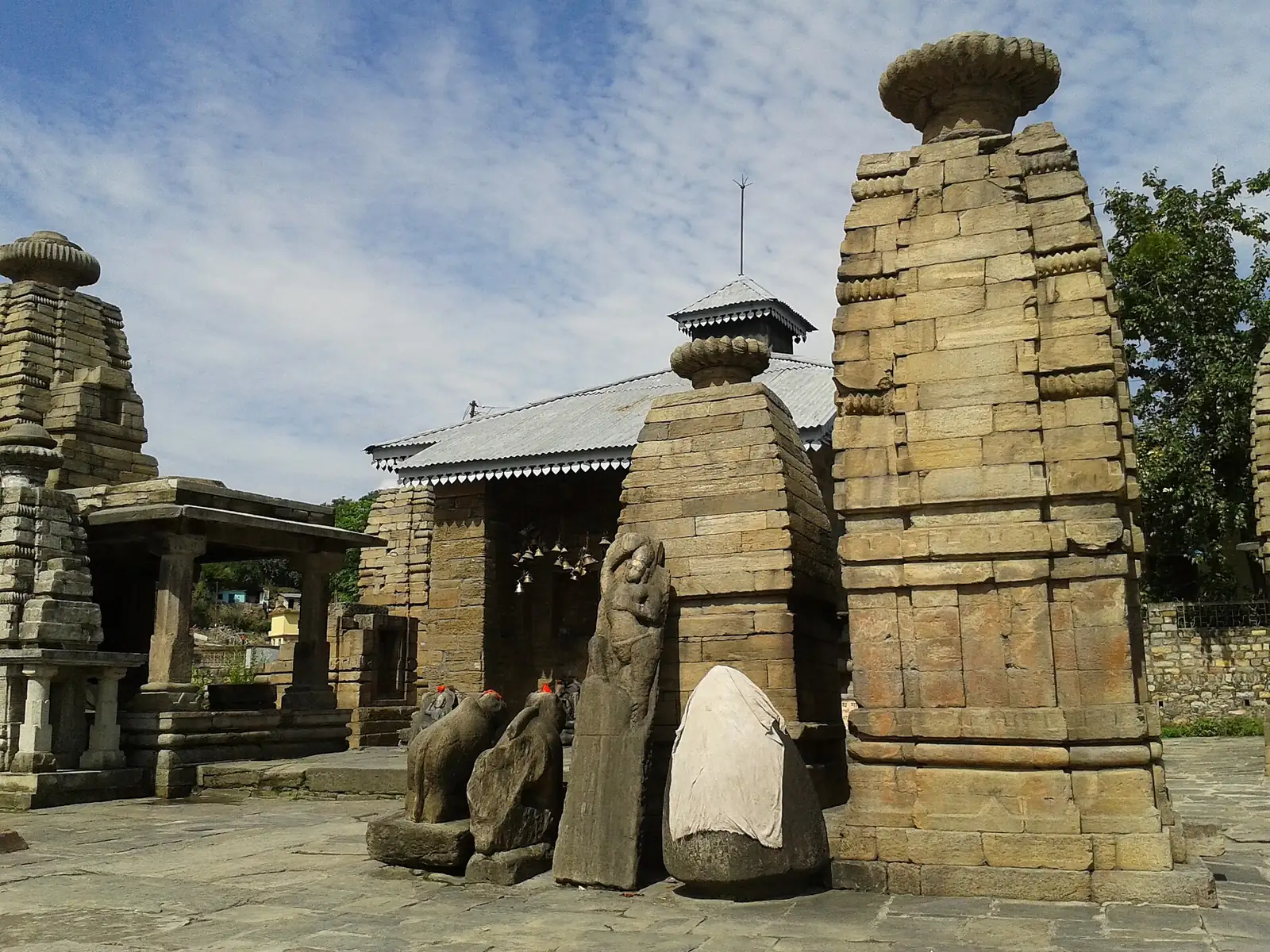
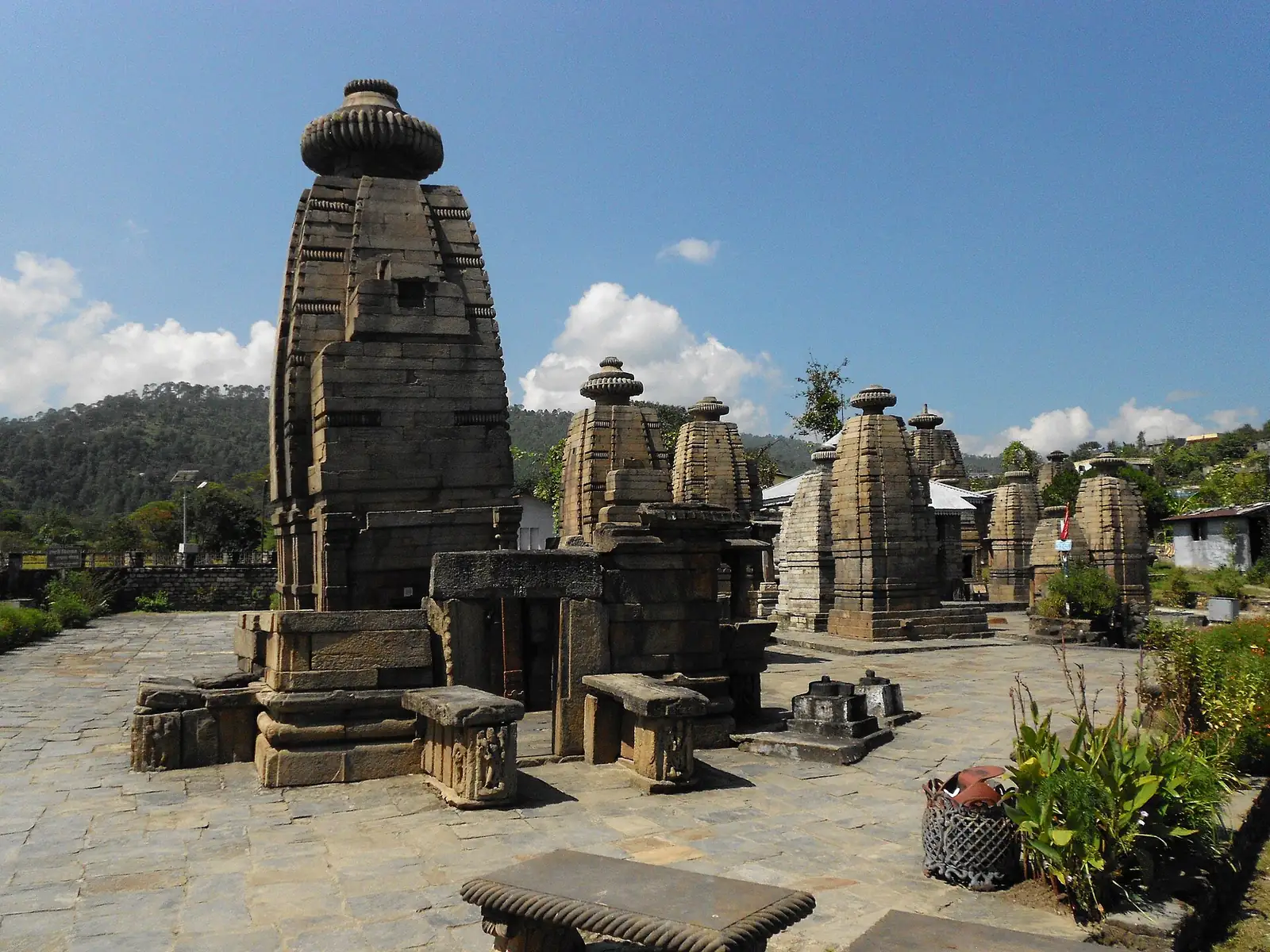
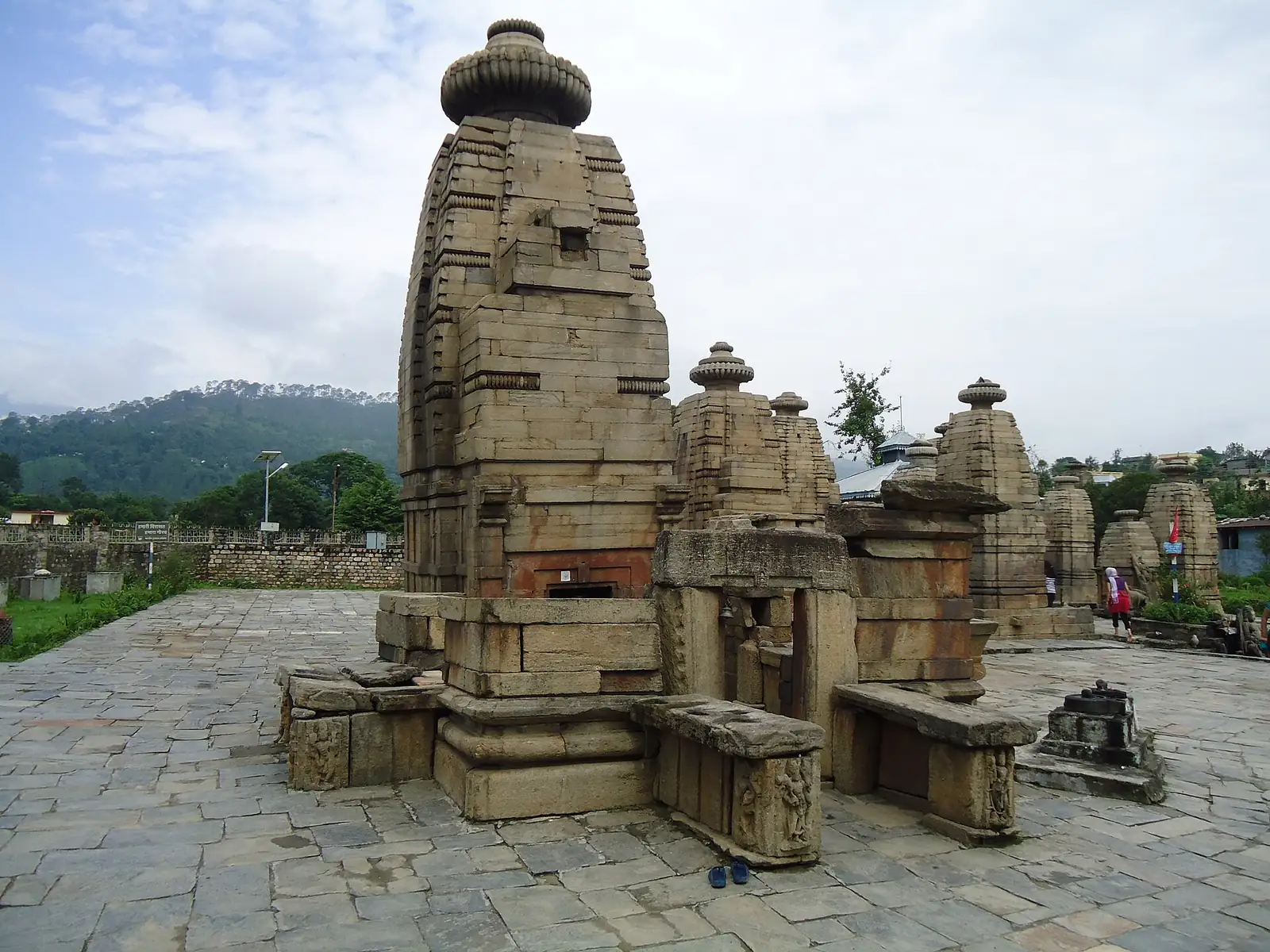
What is clearer is where they ruled from. The Katyuris began in Joshimath, in the Alaknanda valley, and later moved their capital to a place called Kartikeyapura in the Garur valley, just below Kausani. That place is today’s Baijnath. The cluster of stone temples they left beside the Gomti river was completed in the 12th century, and inscriptions dated 1202 CE have been found there. Standing among them, you are standing in what was once a royal city.
The Chands, and a raid
As the Katyuri kingdom splintered into smaller branches, the Chand dynasty rose to dominate Kumaon, eventually ruling from Almora. The Chands restored and rebuilt temples across the region — Baijnath among them, under King Gyan Chand — and the present Bagnath temple in Bageshwar is traditionally credited to a Chand ruler as well.
The hills were not always peaceful. In 1743–44 Rohilla forces raided deep into Kumaon and plundered the Baijnath temples, destroying the spire of the main shrine.
Gorkhas and the British
In 1790 the Gorkhas of Nepal conquered Kumaon and held it for a quarter of a century. Their rule ended with the Anglo-Nepalese War: the British took Almora in 1815, and the Treaty of Sugauli in 1816 confirmed Kumaon as British territory. Under the Raj the region was administered from Almora, and Kausani — with its extraordinary view — began to appear in travellers’ accounts as a place to stop and stare.
A poet is born
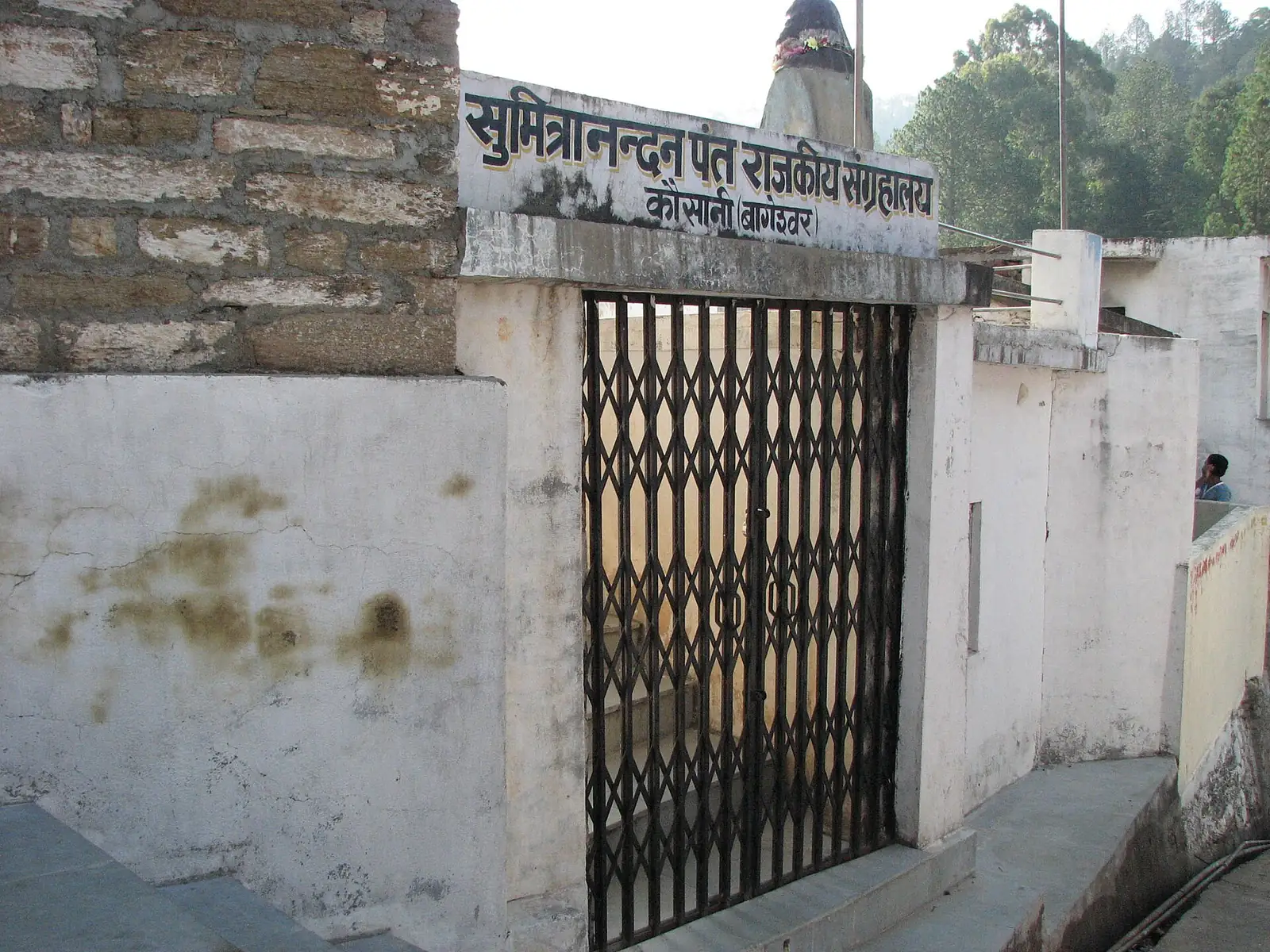
On 20 May 1900, Sumitranandan Pant was born in Kausani. He would become one of the pillars of Chhayavad, the romantic movement that reshaped Hindi poetry, and in 1968 the first Hindi poet to win the Jnanpith Award. Much of his early work was coloured by the hills he grew up in. His family home is now a museum. Read more about Pant.
Gandhi’s fortnight
In 1929, during a tour of Kumaon, Mahatma Gandhi stayed in Kausani for about two weeks (accounts vary between twelve and fourteen days). He used the time to work on Anasakti Yoga, his commentary on the Bhagavad Gita. The bungalow he stayed in became the Anashakti Ashram. Local tradition credits him with calling Kausani the “Switzerland of India” — a phrase that has followed the village ever since, even if no one can point to the exact moment he said it. The story of the ashram.
Sarla Behn and Lakshmi Ashram
Gandhi’s visit left a lasting mark. In 1946 one of his English-born followers, Catherine Mary Heilemann — known throughout the hills as Sarla Behn — founded Lakshmi Ashram in Kausani to educate girls through Gandhi’s nai talim method. It started with three students. It is still running, and Sarla Behn herself was cremated there. She is also remembered for nurturing women who went on to play leading roles in the environmental movements of the Uttarakhand hills.
Modern Kausani
Kausani was part of Almora district at Independence. On 15 September 1997, Bageshwar district was carved out of Almora, and Kausani came with it. Three years later, on 9 November 2000, the new state of Uttaranchal — renamed Uttarakhand in 2007 — was created. The Kausani Tea Estate was planted at around the same time, in 2000–01, giving the slopes their neat green terraces.
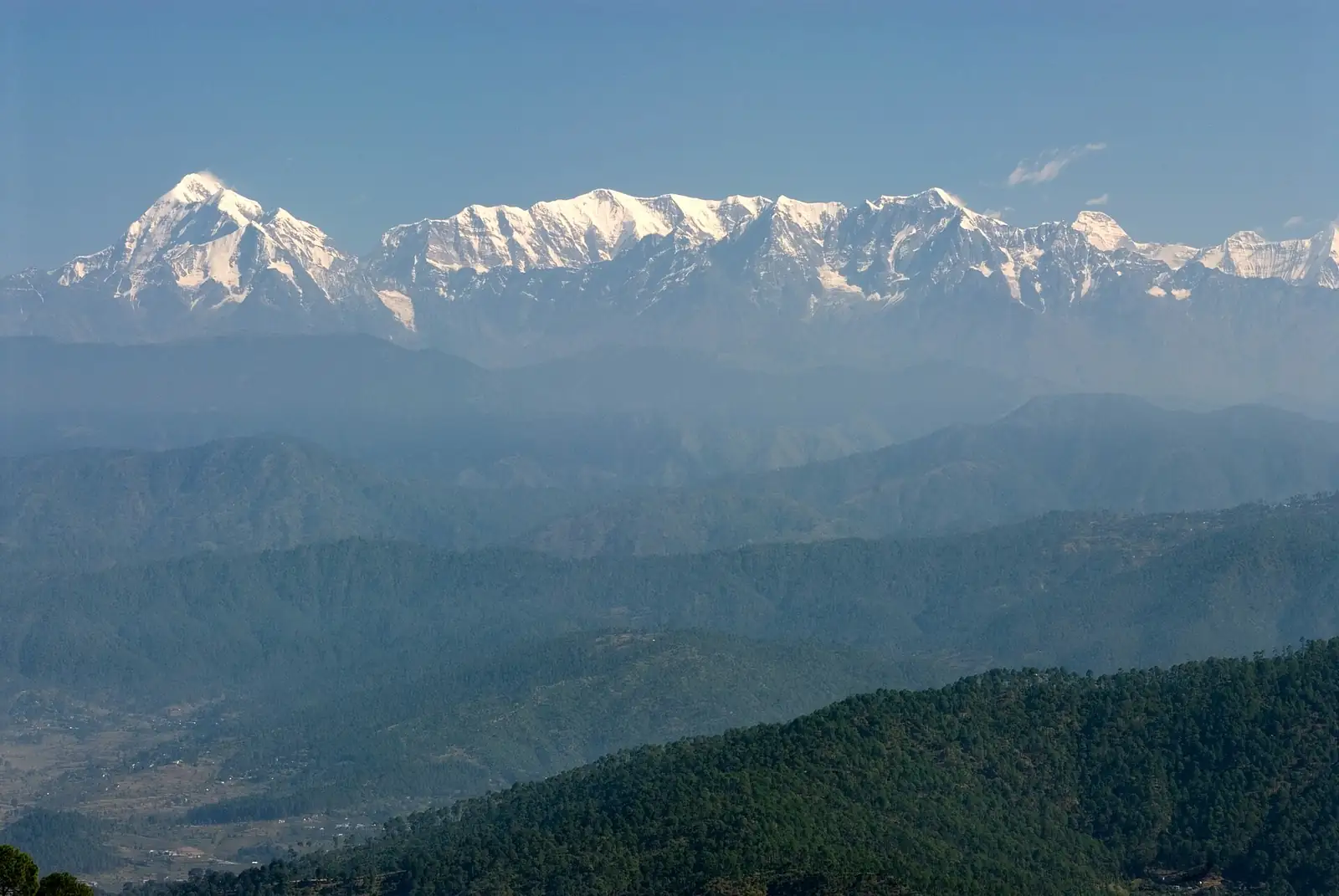
Through all of it, the one constant has been the view. Kings, poets and pilgrims all looked out at the same line of peaks. Come and add your name to the list.