Sumitranandan Pant: The Poet Kausani Gave to Hindi Literature
Born in Kausani in 1900, Sumitranandan Pant became a pillar of Chhayavad and the first Hindi poet to win the Jnanpith Award. A short portrait, and a guide to his childhood home.
Every hill town has its famous visitors. Kausani also has a famous son. On 20 May 1900, Sumitranandan Pant was born here, with the Himalaya on his doorstep. He grew up to become one of the most celebrated Hindi poets of the twentieth century.
The poet of Chhayavad
Pant is counted among the four pillars of Chhayavad (“shadowism”), the romantic movement that transformed Hindi poetry in the early twentieth century — alongside Jaishankar Prasad, Suryakant Tripathi ‘Nirala’ and Mahadevi Verma. Chhayavad turned away from stiff, formal verse towards personal feeling, imagination and nature, and few poets wrote about nature as tenderly as Pant.
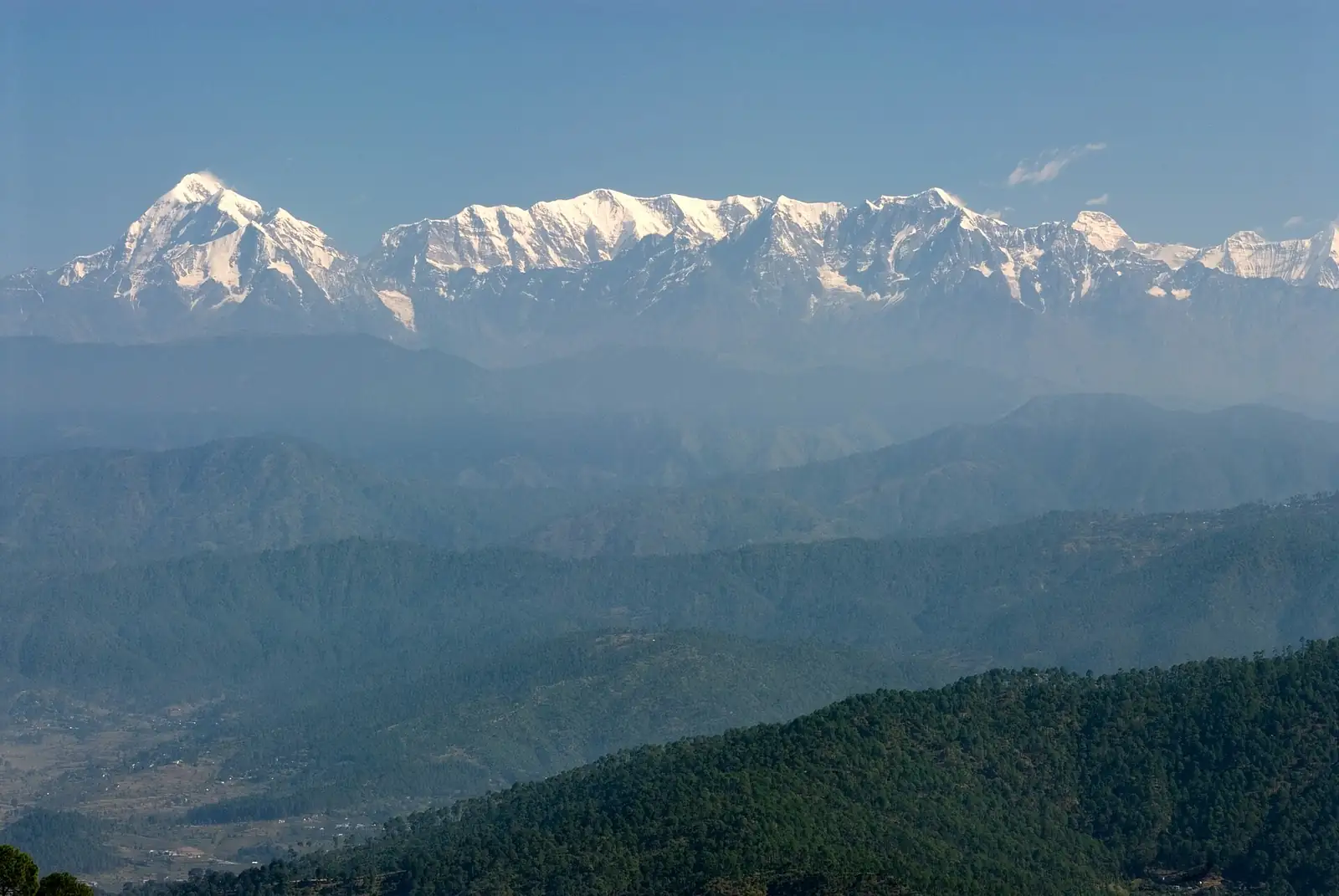
It is hard not to see Kausani in that. A boy who woke to snow peaks turning pink at dawn, to mist rising out of the valleys and to rhododendrons on the hillsides had a vocabulary of beauty ready-made.
A lifetime of honours
- 1960 — Sahitya Akademi Award, for Kala Aur Budha Chand.
- 1961 — Padma Bhushan.
- 1968 — Jnanpith Award, India’s highest literary honour, for Chidambara. Pant was the first Hindi poet to receive it.
- 1969 — Fellowship of the Sahitya Akademi.
Pant spent much of his working life in Allahabad (now Prayagraj), where he died on 28 December 1977.
The Pant Museum in Kausani
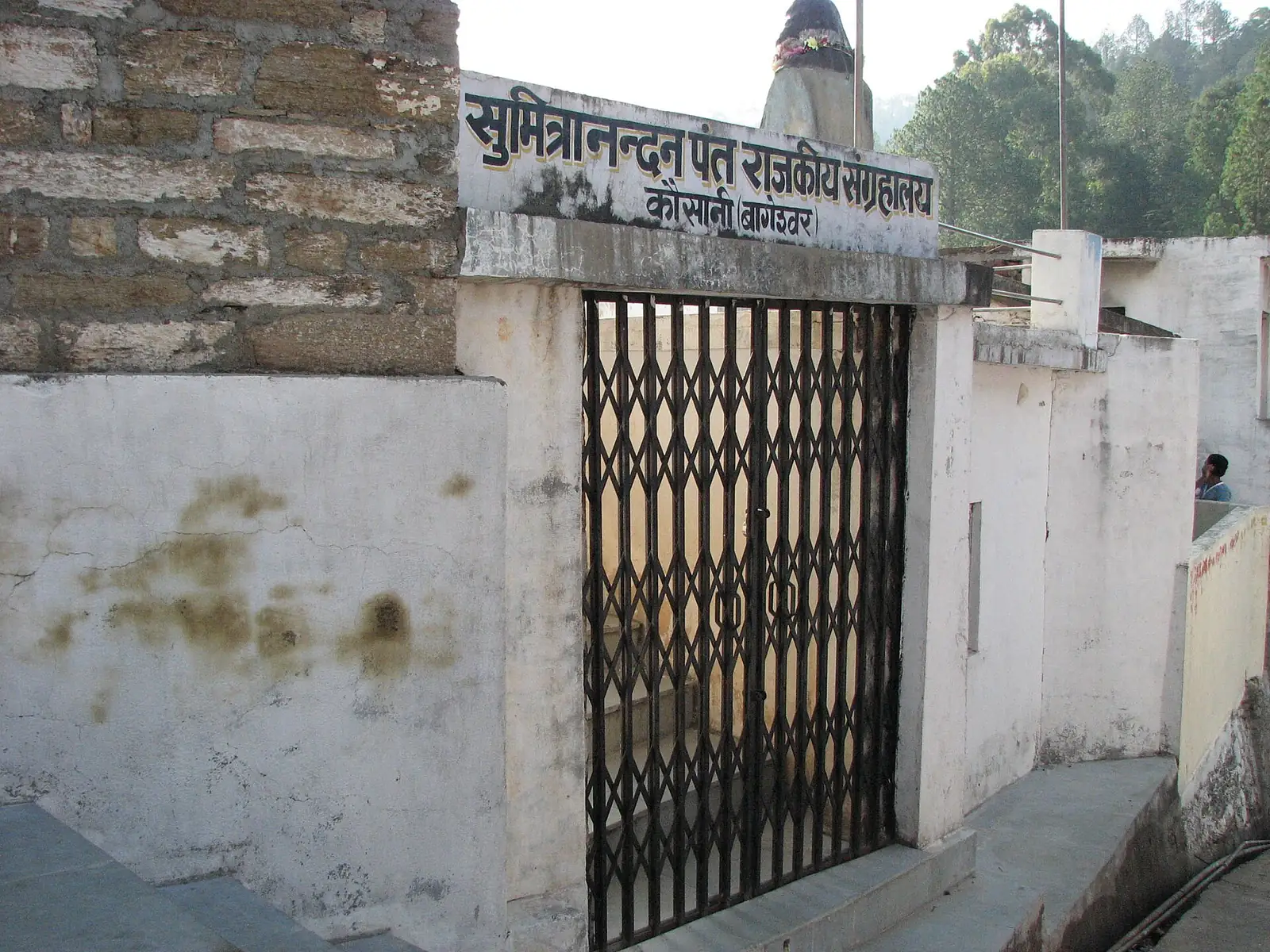
Pant’s childhood home in Kausani has been turned into a museum in his memory. It is small and unshowy, and all the better for it. Inside you will find:
- drafts of his poems and handwritten letters;
- his awards and books;
- everyday objects from his life.
Allow half an hour. If you read Hindi, linger over the manuscripts; if you do not, the photographs and the simple rooms still tell the story of a boy from a mountain village who changed a language’s poetry.
Visiting tips
- The museum is near the Kausani bus stand, in the heart of town.
- Pair it with the Anashakti Ashram and Lakshmi Ashram for a literary and Gandhian morning.
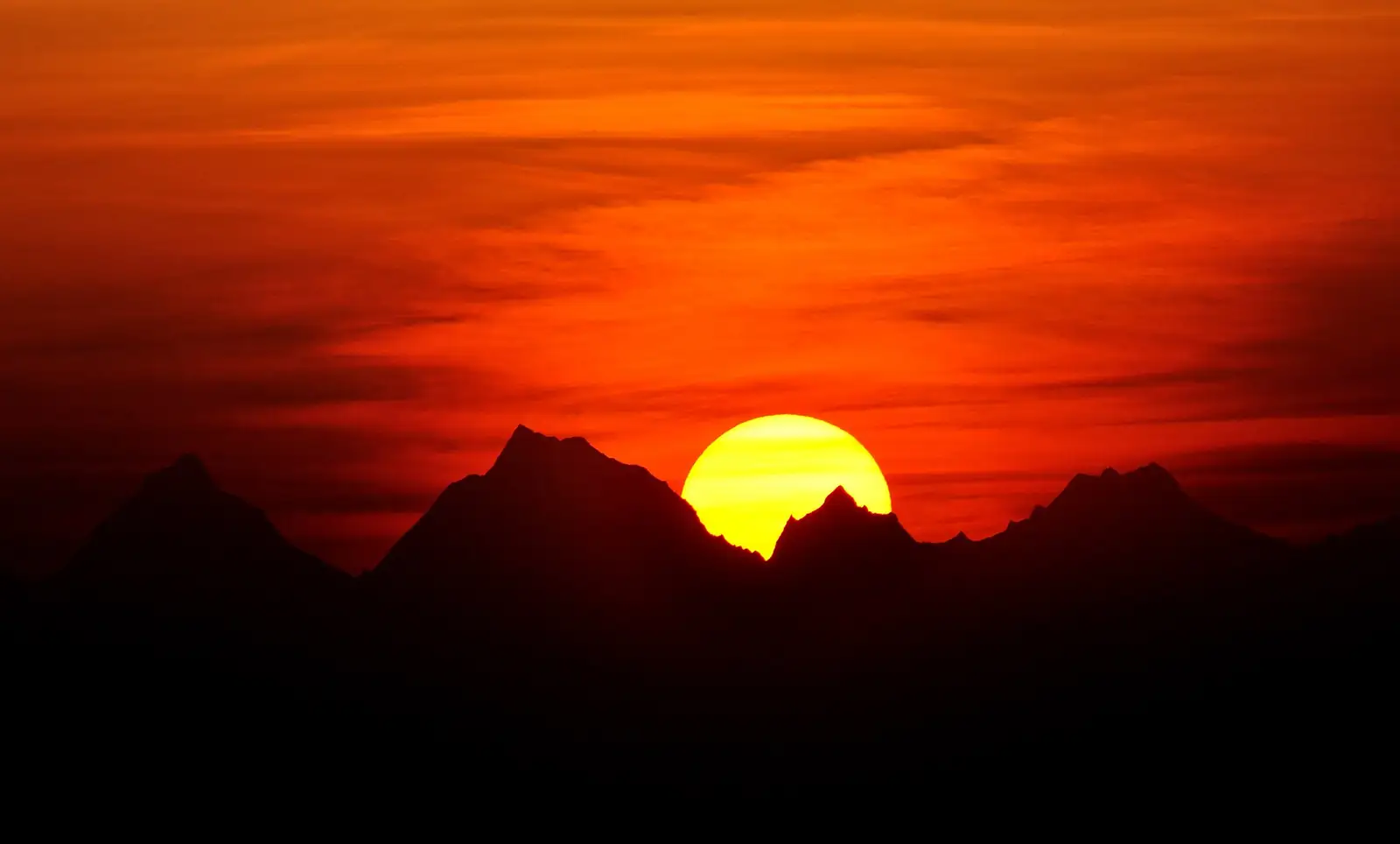
- Then come back and read a little Pant on your balcony as the sun goes down. There is no better setting for it.